A career in pastry and baking has many benefits, including the fact that you can always learn something new! After you have mastered basic baking tasks such as creaming butter and sieving flour, you can progress to more advanced techniques.
You can find these skills challenging, but they can also help you become a better candidate for the job. If you want to improve your pastry chef skills then spend some time practising these six advanced techniques.
1. Caramelizing Sugar
The first step in making caramel frosting or caramel candies is to turn the sugar from white into golden brown. Caramelizing sugar may appear to be a simple process, but the precision needed to monitor and regulate the temperature of the sugar makes it an advanced technique. You can burn the sugar if you heat it too much, or you can get a lighter color if you do not heat it up enough.
You can use the sugar you have caramelized to make soft and hard candies, caramel syrup, and other confections.
2. The Dough for Flaky Pastries
If you want to make viennoiseries such as croissants, pan au chocolat and puff pastry, then learning how to laminate the dough is essential.
Laminating dough is different from baking cakes, cookies and other baked goods, which involve thoroughly mixing butter with other ingredients. Instead, it involves folding butter into the rest of your dough. Repeating layers of butter and dough will result in a flaky texture after baking.
Patience and temperature control are the keys to working successfully with laminated dough. To achieve flaky layers, the layers must rest between foldings and the butter should be kept cool.
3. Naturally Leavened dough
Many bakers use commercially available yeast when making bread to help the dough rise. This yeast is uniform and predictable because it’s produced in large quantities.
Some bakers, however, do not use this product. Instead they turn to native yeasts that are present in their environment. You can make a starter by capturing the yeast that is floating in your home or kitchen. This starter can be used to create breads, cinnamon rolls, bagel, and other natural leavened items.
You’ll have to be patient as you learn about your specific yeast. It can take a while to figure out how to bake and proof a naturally leavened bread. However, the end result is a unique product that’s often more flavorful than commercial yeast.
4. Tempering Chocolate
Tempering chocolate is a technique that every pastry chef must know, whether you are a cake decorator, create desserts in a hotel or want to become a chocolatier. The process of tempering involves heating the chocolate, then cooling it down to harden it into a shiny and snappy finish.
If you improperly temper chocolate, you may end up with unsightly white dots known as bloom, as well as a friable finished product. However, proper tempering will allow you to use chocolate to create shiny chocolate-coated truffles, piped chocolate garnishes, and irresistible molded chocolates.
5. Piping with Accuracy
It may seem easy to fill a piping bag and create lines or dots, but if your cake is covered in crisp rosettes or lines that are perfectly straight, you understand the importance of piping skills.
Spending time on your piping techniques will pay off in the long run, since piping is a physical activity. Your hands and arms will become more accustomed to holding the piping bag steadily, allowing you to create lines, shells and roses with greater precision.
6. Making a Coral Tuile
The French tuile, which is a round, crisp cookie, is well-known to most pastry chefs. Coral tuiles are a modern twist on the classic tuile.
The thin cookies can be made in the same way as traditional tuiles. However, they are a sweet, lacy wafer. They can be used for everything from cakes to pannacotta.
Jen H., a student of Escoffier Pastry Arts, made a lemon basil pannacotta with strawberry coulis and strawberry milk crumb. She also used coral tuile.
Bonus: Baking Alternatives to Flour and Dairy
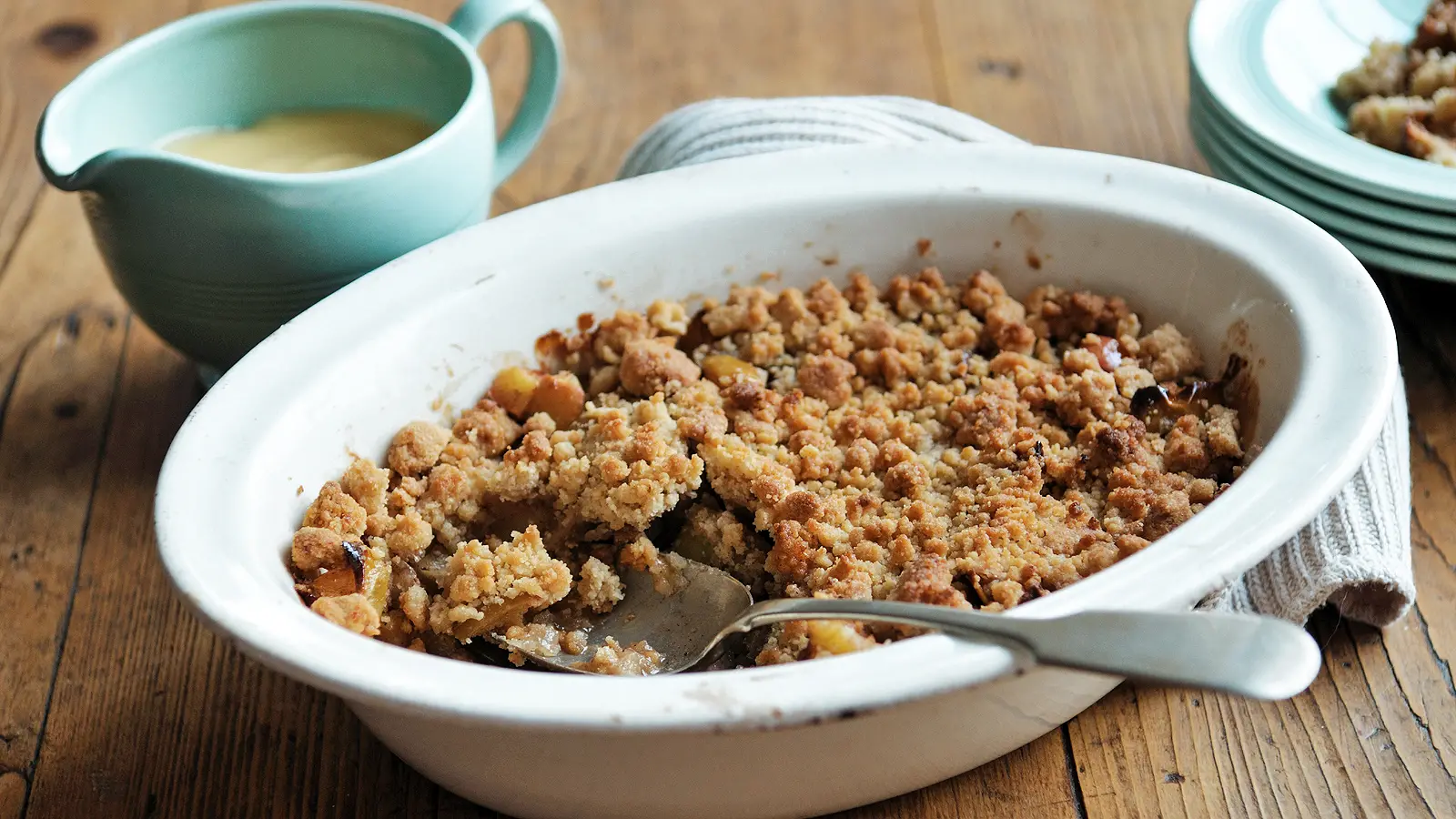
Puratos pastry chef is familiar with the wonders of baked goods: the flaky layers in a perfectly laminated croissant; the richness and silkiness of a truffle; and the balance between flavors and textures of an apple crumble. But not everyone is able to enjoy these foods as they were intended.
Some people are restricted from enjoying a classic pan of brownies, or a layer cake, due to their special diets, such as vegan, gluten-free and low sugar. It doesn’t have to mean that they can’t enjoy sweets and bread!
You may find that as you progress in your career, you will want to look for ways to adapt recipes to suit these increasingly common specialized diets. It may be necessary to substitute ingredients such as wheat and dairy flour with oat and soymilk, or introduce new ingredients like xanthan.
Escoffier’s Plant Based program students demonstrate what is possible. They may produce stunning plant-based products such as dairy-free, tender scones and ice cream. Knowing how to bake for special diets will allow students to create a niche and market themselves to potential employers.